Categories
IT & Software
Create RESTful APIs using PHP, POSTMAN and MySQL: Secure API
- Welcome to the “Create RESTful APIs using PHP, POSTMAN, and MySQL: Secure API” course! This comprehensive program is designed to equip participants with the essential skills and knowledge required to develop secure and efficient RESTful APIs using PHP, MySQL, and POSTMAN. In today’s digital landscape, RESTful APIs play a vital role in enabling communication between different systems and facilitating the exchange of data over the web. However, ensuring the security and integrity of these APIs is paramount to protect sensitive information and maintain the trust of users.
0 (0 Ratings)
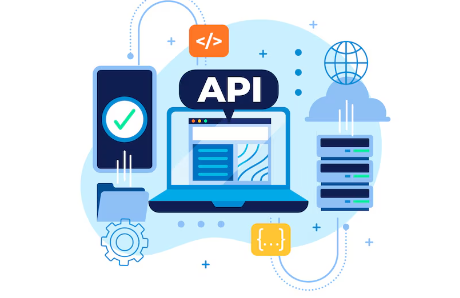
Create RESTful APIs using PHP, POSTMAN and MySQL: Secure API
Categories
IT & Software
- Interactive video lectures by industry experts
- Developed by qualified first aid professionals
- Instant e-certificate and hard copy dispatch by next working day
- Fully online, interactive course with audio voiceover
- Self paced learning and laptop, tablet, smartphone friendly
- 24/7 Learning Assistance
- Discounts on bulk purchases
Main Course Features:
- Comprehensive introduction to RESTful APIs and their significance in modern web development.
- Hands-on tutorials on building RESTful APIs using PHP and MySQL.
- Practical exercises and demonstrations using POSTMAN for API testing and validation.
- In-depth exploration of authentication and authorization mechanisms to secure APIs.
- Best practices for designing RESTful API endpoints and handling HTTP requests and responses.
- Strategies for implementing data validation, error handling, and exception management in APIs.
- Guidance on deploying and maintaining secure APIs in production environments.
- Real-world examples and case studies to illustrate the concepts and principles taught in the course.
Learning Outcomes
- Gain a solid understanding of RESTful API architecture and design principles.
- Develop secure and efficient RESTful APIs using PHP, MySQL, and POSTMAN.
- Implement authentication and authorization mechanisms to protect APIs from unauthorized access.
- Master the use of POSTMAN for API testing, debugging, and documentation.
- Apply best practices for securing sensitive data and preventing common security vulnerabilities in APIs.
- Design API endpoints that adhere to RESTful principles and promote scalability and maintainability.
- Deploy and manage secure APIs in production environments with confidence.
- Demonstrate proficiency in building RESTful APIs that meet industry standards and security requirements.
Who Should Take This Course
- Web developers aspiring to enhance their skills in building RESTful APIs.
- PHP developers interested in learning about API development using modern tools and frameworks.
- Database administrators seeking to integrate MySQL databases with PHP-based APIs.
- IT professionals and software engineers involved in web application development projects.
Certification
Once you’ve successfully completed your course, you will immediately be sent a digital certificate. Also, you can have your printed certificate delivered by post . All of our courses are fully accredited, providing you with up-to-date skills and knowledge and helping you to become more competent and effective in your chosen field. Our certifications have no expiry dates, although we do recommend that you renew them every 12 months.
Assessment
At the end of the course, there will be an online assessment, which you will need to pass to complete the course. Answers are marked instantly and automatically, allowing you to know straight away whether you have passed. If you haven’t, there’s no limit on the number of times you can take the final exam. All this is included in the one-time fee you paid for the course itself.
Course Curriculum
The detailed curriculum outline of our PAT Test Online training Care is as follows:
- What is a Portable Electrical Appliance?
- What are the risks?
- Understanding shock risk
- Electric Shock
- A little about risk assessment
- In-service Inspection and Testing Procedures
- Updated CE and UKCA Marking Regulations
- Setting Up for Appliance Testing
- Equipment Register
- Combined Inspection and Testing Form
- Faulty Equipment and Repair Register
- Summary
- Legislation
- Who is responsible for PAT testing?
- The long-term safety of appliances
- The Health and Safety at Work Act 1974 (HSWA)
- The Management of the Health and Safety at Work Act Regulations 1999
- The Provision and Use of Work Equipment Regulations 1998
- The Electricity at Work Regulations 1989 (EWR)
- Legal measures
- Summary
- What you need to know about risk assessments
- What is a risk assessment?
- Factors to consider during a risk assessment
- Performing a risk assessment
- Who should perform a risk assessment?
- Operatives’ obligations during
- The Code of Practice for In-Service Inspection and Testing of Electrical Equipment
- Issues when planning PATs
- Summary
- risk assessments
- Risk Assessment during PAT
- Reducing risks: fire safety
- What must you do to ensure fire safety?
- Performing the fire safety risk assessment
- Itemised process of fire safety risk assessment
- Emergency procedures
- What Should Be Included in Your Emergency Procedures?
- Summary
- Electrical Units
- Current
- Voltage
- Resistance
- Ohm’s Law
- Power
- Frequency
- Electrical Unit Multiples and Sub-multiples
- Appliance Classification
- Class 0 Equipment of Appliances
- Class 01 Equipment of Appliances
- Class I: Equipment of Appliances
- Class II: Equipment of Appliances
- Class III: Equipment of Appliances
- Equipment Types
- Summary
- The Choice and Different Kinds of Equipment
- Inspecting Equipment
- General Things to Look for During a Visual Inspection
- Inspecting the Equipment
- Formal Visual Inspection
- Manufacturers’ Instruction
- Suitability of the Equipment for the Environment
- Switching and Isolation of Equipment
- Requirements for Functional Switching
- Requirements for Isolation and Switching Off for Mechanical Maintenance
- Emergency Switching
- User Feedback
- The Equipment
- Equipment Failing the Formal Visual Inspection
- Inspecting Hand-Held Equipment
- Inspection of Fixed Equipment
- Summary
- Testing Instruments
- Equipment Testing Instruments
- Continuity Testing
- Insulation Resistance Testing
- Instruments for RCD Test
- Instrument Verification
- Frequency of In-service Inspection and Testing
- Risk Assessment
- Inspections
- Defined Risk Environments
- Review of Frequency of Inspection and Testing
- Summary
- The Protective Conductor Continuity Test
- The Insulation Resistance Test
- Protective Conductor and Touch Current Measurements
- Ring Final Circuit Test
- Polarity Test
- Earth Electrode Testing
- Prospective Fault Current Test
- Functional Checks
- Substitute Leakage Test
- Load Test
- Flash Testing
- Summary
- Correct Selection of Protective Devices
- Test Equipment
- Electric Shock
- Testing Transformers
- Testing a 3 Phase Induction device
- Summary
- The Reporting of Injuries, Diseases and Dangerous Occurrences Regulations 2013 (RIDDOR)
- Documentation
- Labelling
- Damaged or Faulty Equipment
- User Responsibility
- Summary
Frequently Asked Questions (FAQs)
This Online PAT Testing Course is a comprehensive training program designed to equip individuals with the necessary skills and knowledge to conduct PAT tests on electrical appliances, ensuring they are safe for use.
This course is ideal for facility managers, electricians, health & safety officers, or anyone responsible for the electrical safety in commercial or residential properties. It’s also useful for those looking to offer PAT testing as a standalone service.
This Online PAT – Portable Appliance Testing Training Course duration is almost 5 hours. However you can do it on your own schedule and take however long you might need.
The national average salary for a Pat tester is £24,503 in the United Kingdom . However, you can make up to £32,000 depending on your location.
No, the course is designed for both beginners and those with some prior electrical knowledge. We cover the basics and then delve into the specifics of PAT testing.
A stable internet connection, a modern browser, and a device like a computer, tablet, or smartphone are typically all you need.
Absolutely! This course provides foundational knowledge that can be valuable if you decide to pursue further electrical or safety training.
To ensure compliance with the latest safety regulations and best practices, course content should be reviewed and updated periodically.
Yes, you will receive a FREE Digital Certificate after completing this PAT Testing Course.
However, if you want, you can also order the Digital Transcript, Hardcopy Certificate & Transcript.
This PAT Testing Online Course is accredited, and Training Express is a member of RoSPA – The Royal Society for the Prevention of Accidents.
Our certifications have no expiry dates, but we recommend renewing them every 12 months.
1. Click on ‘Take This Course’ button, and you will be directed to your Cart.
2. You can update the course quantity and remove any unwanted items in the Cart, and after that, click on the ‘Checkout’ option and enter your billing details.
3. Once the payment is made, you will receive an email with the login credentials, and you can start learning after logging into the portal.
You can take this course or find any course from the Courses section of our website.
1. Click on ‘Take This Course’ button, and you will be directed to your Cart.
2. You can update the course quantity and remove any unwanted items in the Cart, and after that, click on the ‘Checkout’ option and enter your billing details.
3. Once the payment is made, you will receive an email with the login credentials, and you can start learning after logging into the portal.
You can take this course or find any course from the Courses section of our website.
$39.33
$80.74
-
LevelAll Levels
-
Duration3 hours49 minutes
-
Last UpdatedAugust 6, 2026
Hi, Welcome back!
Enrolled:0



Student Ratings & Reviews

No Review Yet